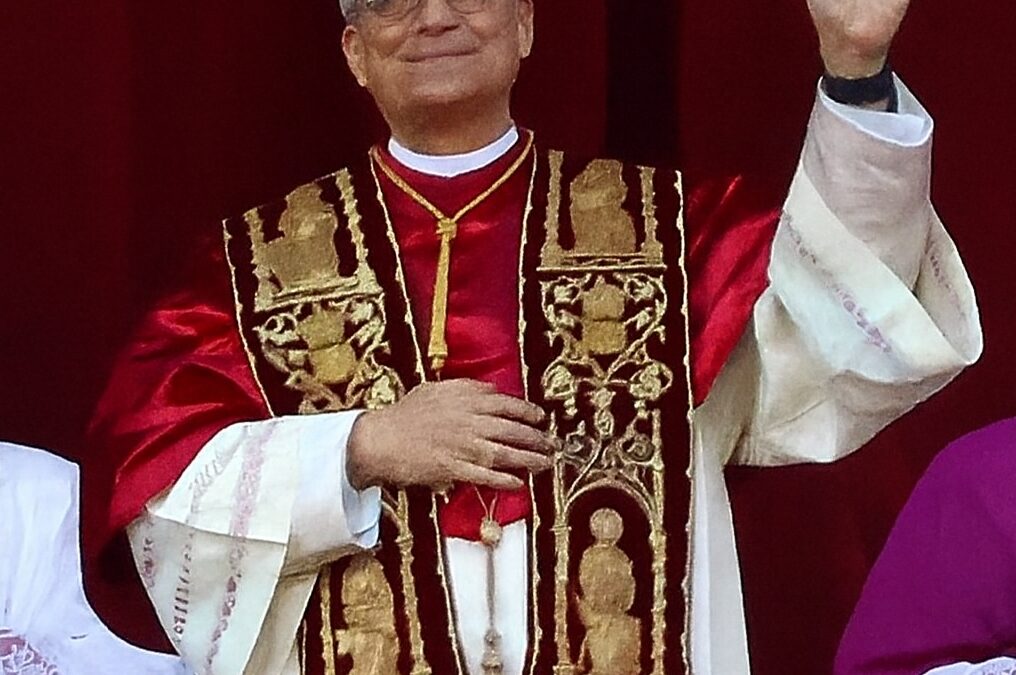
Three days after lung cancer surgery, Pope Leo XIV picked up the telephone from his room at Rome's Gemelli Hospital and called Russian President Vladimir Putin. The conversation took place on October 16, 2026, and the Vatican confirmed it in a note to the press.
The Holy Father had one request: a ceasefire so that food and medical aid could reach Oleshky, a city in Ukraine's Kherson region, and so that civilians who wish to leave could do so safely. Oleshky lies in a front-line zone where, according to Ukrainian religious leaders, residents have been cut off from supplies for months. Those leaders had appealed to the Pope and other faith leaders in September to intervene.
The Vatican said Leo XIV also reaffirmed the Holy See's commitment to dialogue and peace. According to the Kremlin, as reported by Reuters, the call was constructive, Putin wished the Pope a speedy recovery, and both sides agreed to cooperate on delivering aid. The Kremlin also blamed Kyiv for the situation in the city, a claim Ukraine rejects.
It was the second conversation between the two men since the Pope's election, after one in June 2025. The same day, Leo XIV issued a World Food Day message declaring access to sufficient food a basic human right.
The gesture says something about this pontificate: a Pope recovering from major surgery who still spends his strength on people he has never met. For those trapped in Oleshky, what matters now is whether words become convoys.
Sources: Holy See Press Office, via America Magazine and National Catholic Reporter; Reuters (Kremlin account). Photo: Edgar Beltrán / The Pillar, CC BY-SA 4.0, via Wikimedia Commons.
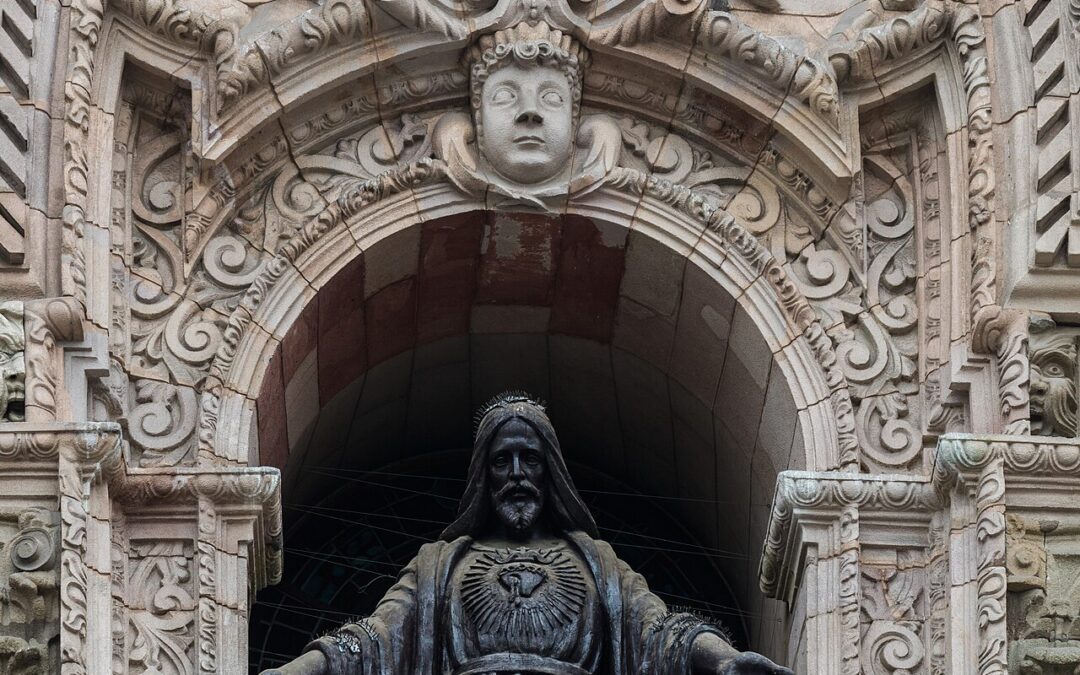
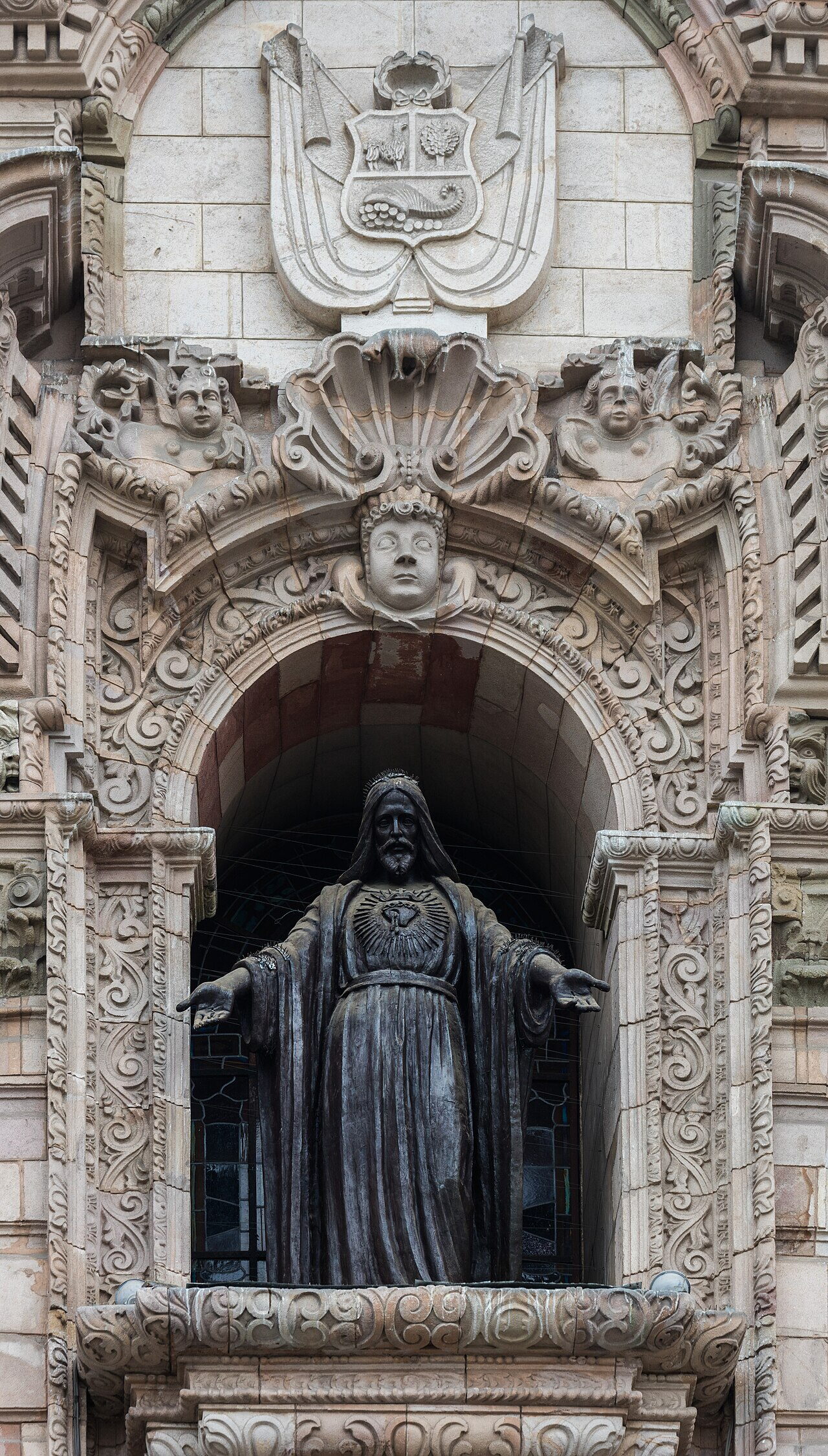
Cathedral of Lima, Plaza de Armas. Photo: Diego Delso, Wikimedia Commons, CC BY-SA 4.0.
Pope Leo XIV will travel to Latin America from 6 to 17 November 2026: ten cities in twelve days across Uruguay, Argentina and Peru, according to the itinerary released by the Vatican.
The itinerary
Uruguay (6–8 November): Montevideo, Paysandú and Florida. It will be the first papal visit to the country since 1988. Motto: “I bring you news of great joy.”
Argentina (8–11 November): Buenos Aires, Córdoba and Luján. It is the home country of Pope Francis; the last papal visit there was in 1987. Motto: “Welcome everyone. Go and proclaim.”
Peru (11–17 November): Lima, Chiclayo, Cuzco and Pucallpa. It is the longest leg of the journey, in a country where the Pope spent years in missionary work. Motto: “Let us open our hearts.”
The Holy See has also announced further journeys without dates yet, including South Korea for World Youth Day 2027.
The Mandatum Herald will follow the journey as it happens.
Pope Leo XIV visited Spain from 6 to 12 June 2026, the first papal visit to the country since 2011. The motto of the journey was “Lift up your gaze!” (cf. Jn 4:35).
Where he went
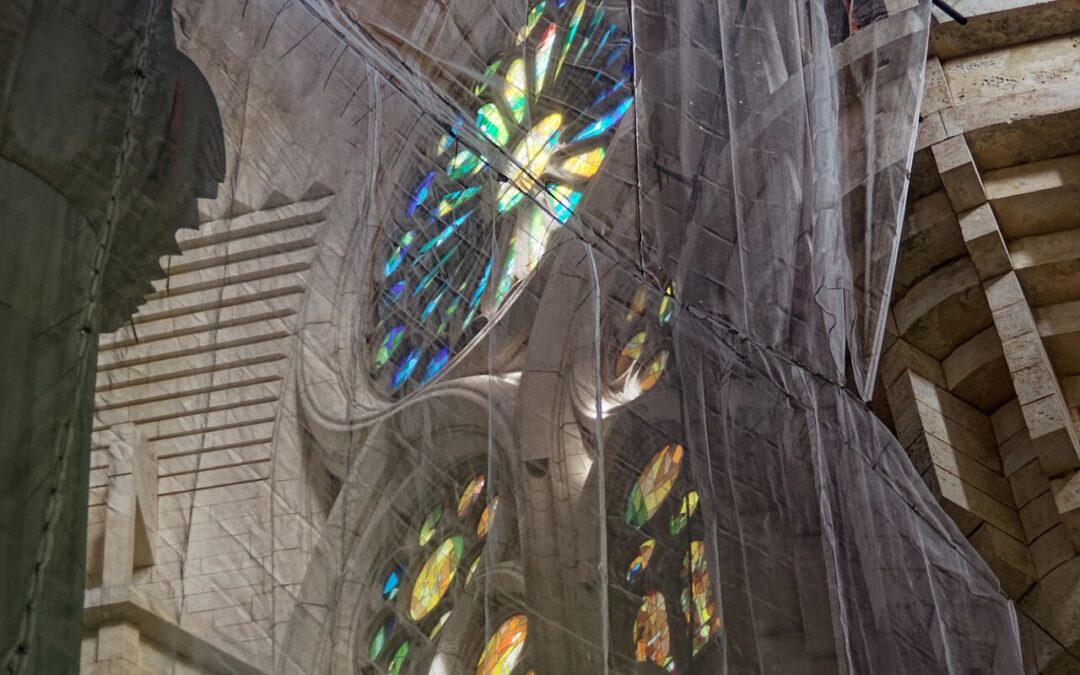
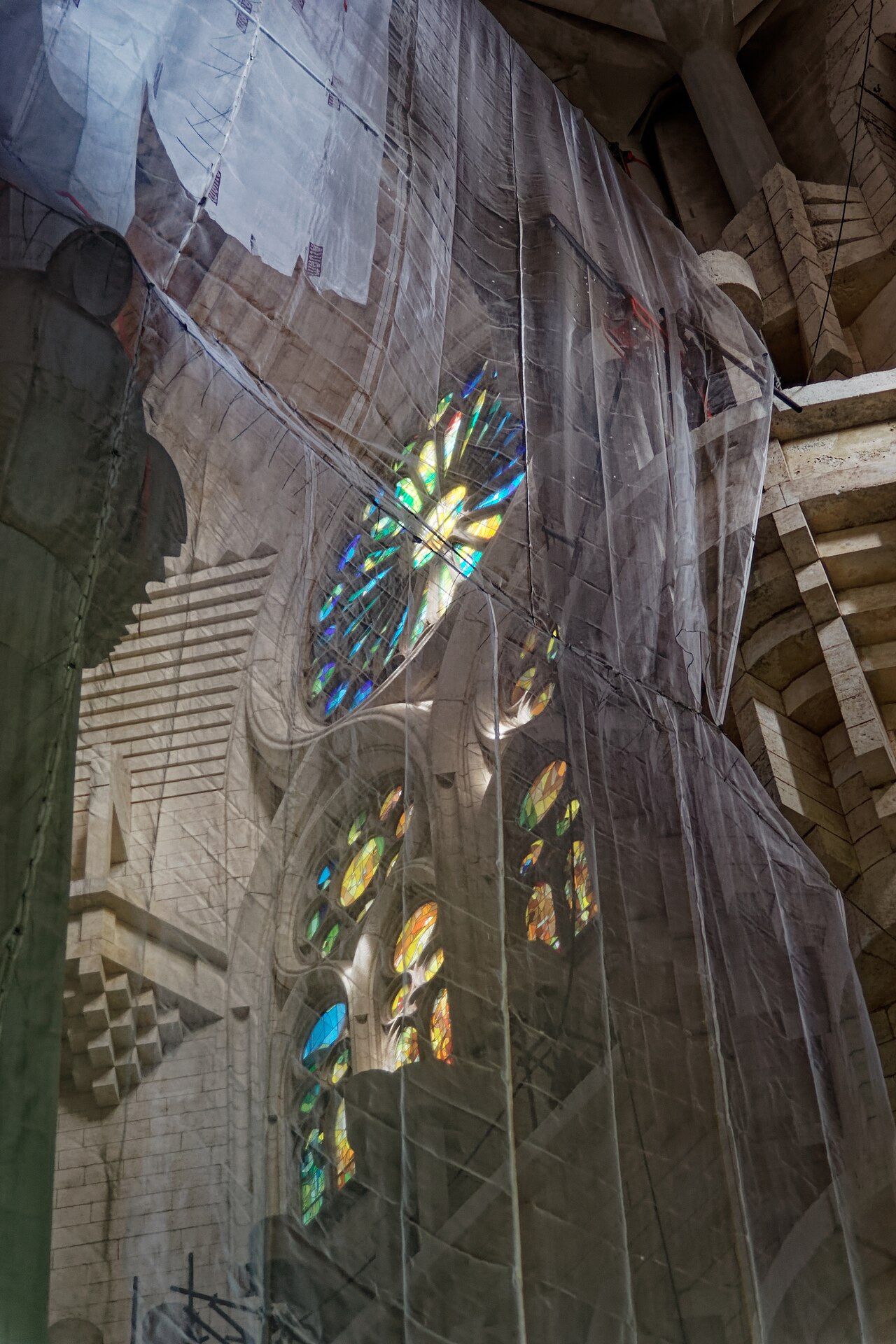
The program took him to Madrid, Barcelona and the Abbey of Montserrat, where he prayed the rosary, and then to the Canary Islands, one of the main arrival points for migrants crossing from Africa. It included liturgical celebrations in Madrid and Barcelona; Barcelona also marked the centenary of the death of Antoni Gaudí, with the Tower of Jesus Christ at the Sagrada Família on the schedule.
Migrants, the poor and the wounded
In the Canary Islands the Pope met migrants in reception centers and the local Church that welcomes them. He also met abuse survivors who asked to be heard, prisoners, young people and the poor, and mentioned a child who read him a letter at a parish.
The message
Unity: he said the enthusiasm of the Spanish people suggests a desire for unity on a foundation that is neither ideological nor based on narrow interests.
Dialogue: he urged Spaniards to overcome division through communion and “unity in diversity.”
Migration: he asked Christians to reread the Gospel with an openness to the exchange of cultural gifts, acknowledging that the issue calls for coordinated action.
Hope: the world needs to hear the Gospel of hope, he said, in the face of a “deceptive model of development.”
Reflecting on the trip at his general audience on 17 June, he said the people of God “gave me great comfort through their joyful expression of their faith and affection.”
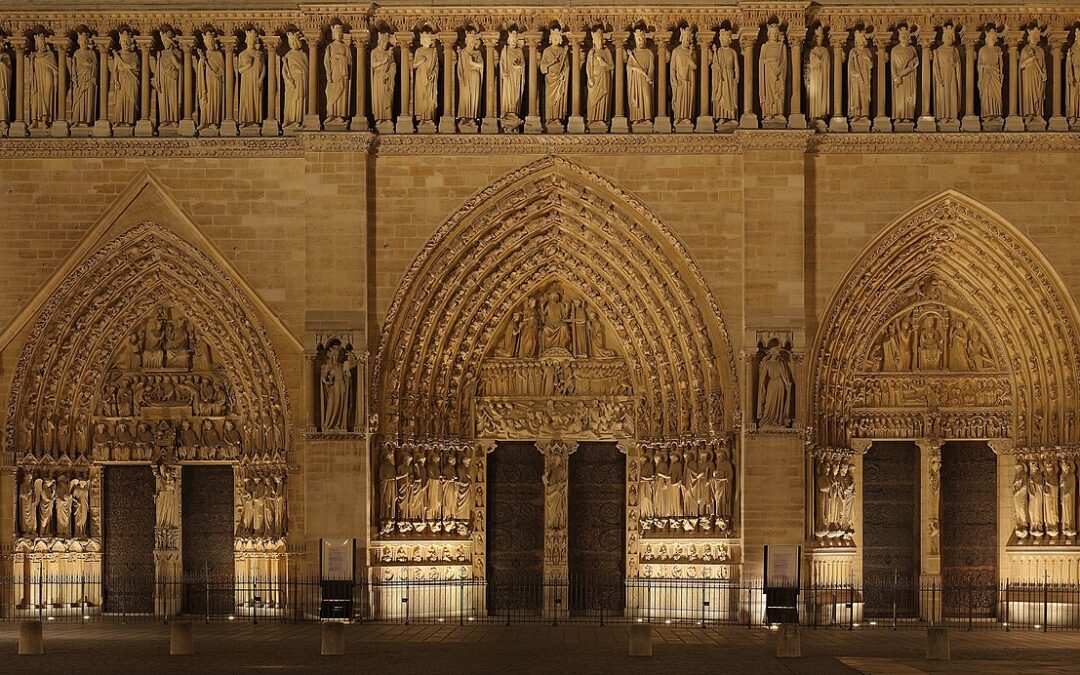
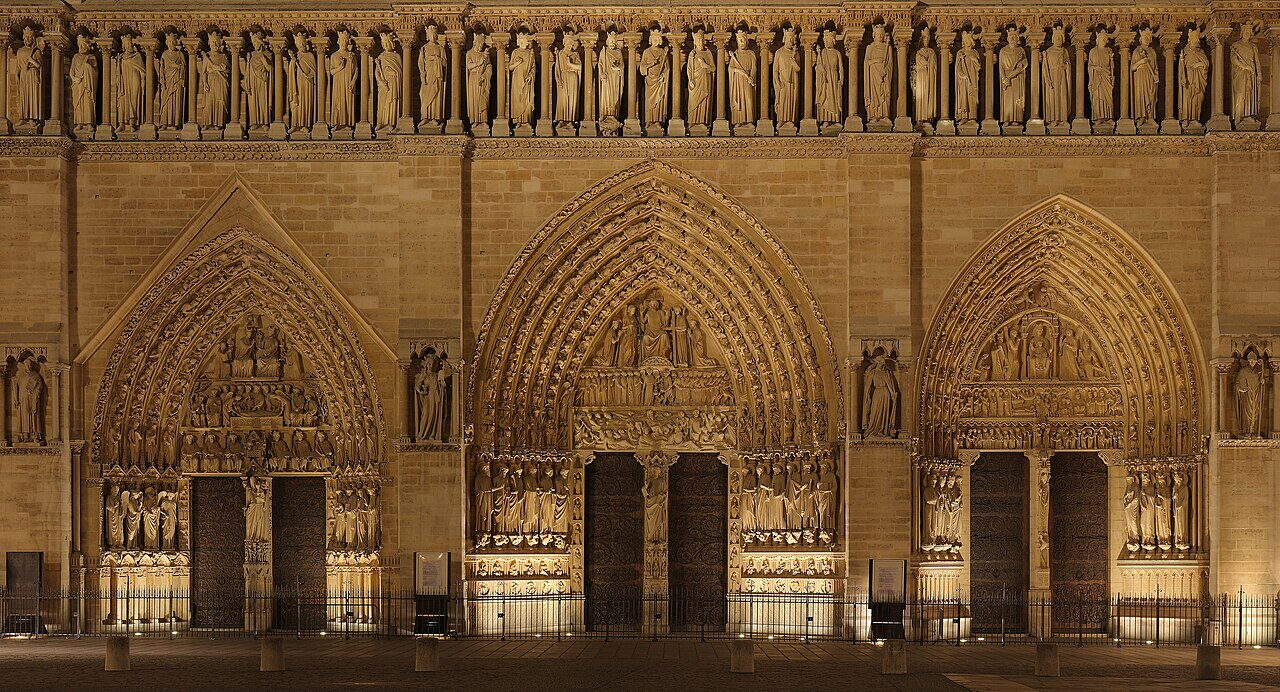
Notre-Dame de Paris. Photo: Benh LIEU SONG, Wikimedia Commons, CC BY-SA 3.0.
Pope Leo XIV made an apostolic journey to France from 25 to 28 September 2026, with stops in Paris, Lourdes and Metz. The motto of the trip was “So that the world may have life.”
Paris: a Church that restores
The Pope prayed Vespers at Notre-Dame, reopened in December 2024 after the April 2019 fire, visited Maison Bakhita, a welcome center for migrants, and met a synodal assembly. About 80,000 young people joined him for a prayer vigil at the Stade de France, and he celebrated Mass at Place de la Concorde before a crowd the Pope himself put at around 700,000 people, calling it a true “restoration” of the Church.
Lourdes and Metz
At the Marian shrine of Lourdes he took part in a torchlit procession and rosary and met abuse victims. The journey closed in Metz with an interreligious meeting in a region marked by the Second World War, where representatives of different faiths signed the “Metz Appeal” for dialogue and peace.
The message
Rebirth: he said Notre-Dame’s restoration sheds light on the whole journey.
Collaboration: Church, State and civil society working together for the common good, with human dignity as the guiding principle.
Life: every human life, including the most fragile, deserves care and dignity.
Peace in Europe: a continent born as a peace project after war, whose democratic and solidarity-based principles can be renewed.
At his general audience on 30 September, the Pope called the journey a sign of rebirth, noted the growing number of adult and youth baptisms in France, and recalled the beatification, on 27 September, of three priests killed by Nazi troops in 1944. He also asked the faithful to pray the rosary for peace in October.
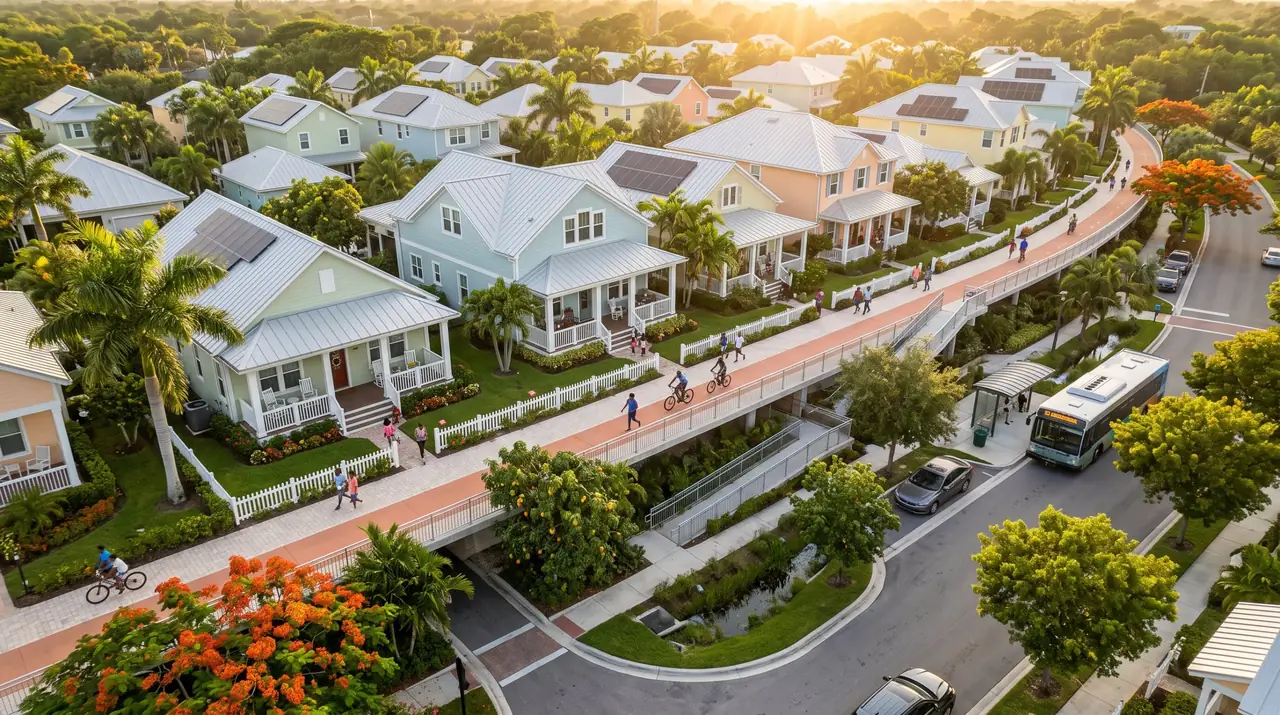
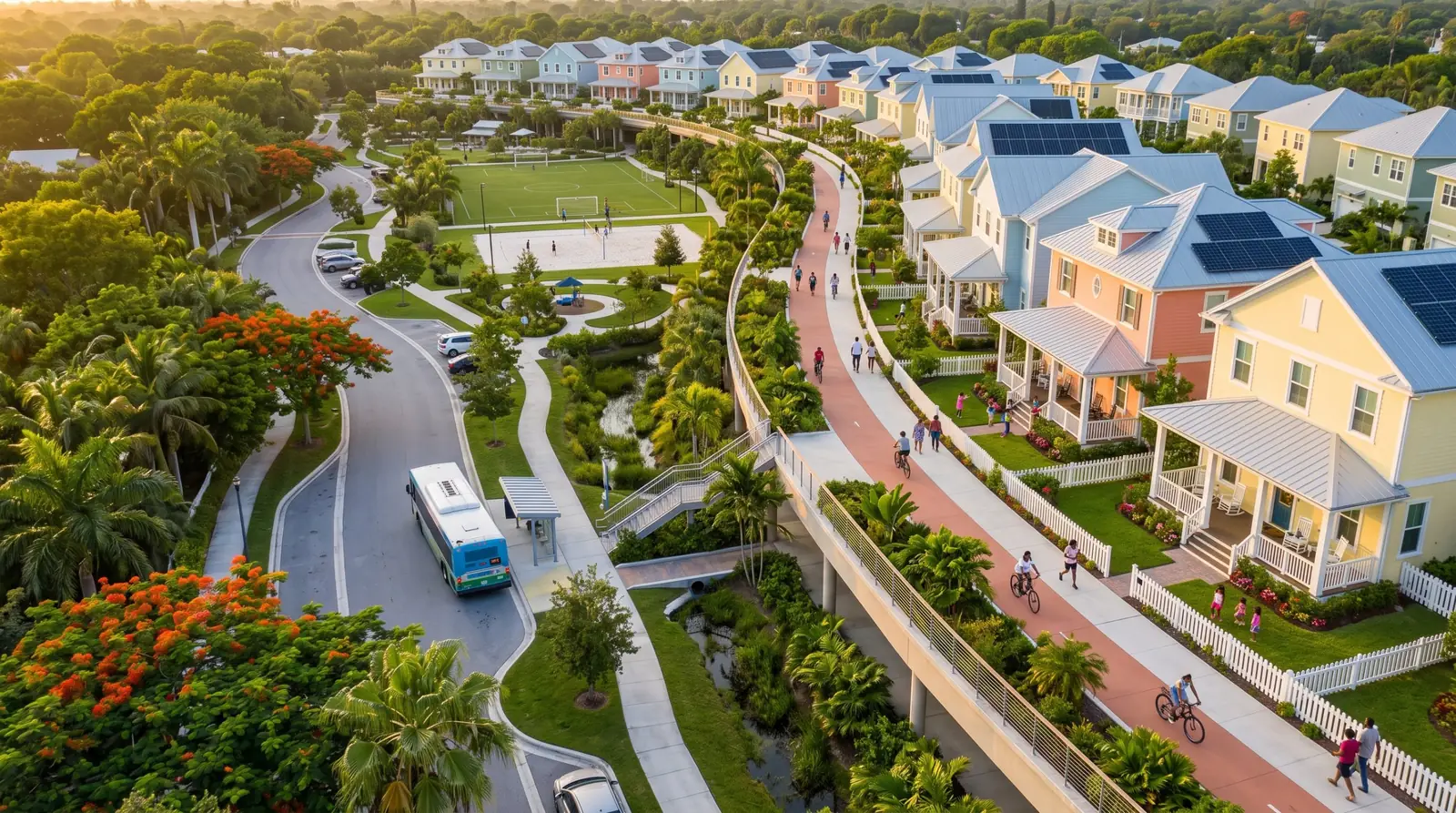
Donders City is the housing project that Mandatum is preparing for Suriname: a green, walkable city where families can live in peace, with homes, schools, a hospital, shops and sports facilities a few steps from their door. The project has its own website, where anyone can register their interest free of charge and with no commitment.
A home for those who serve the country
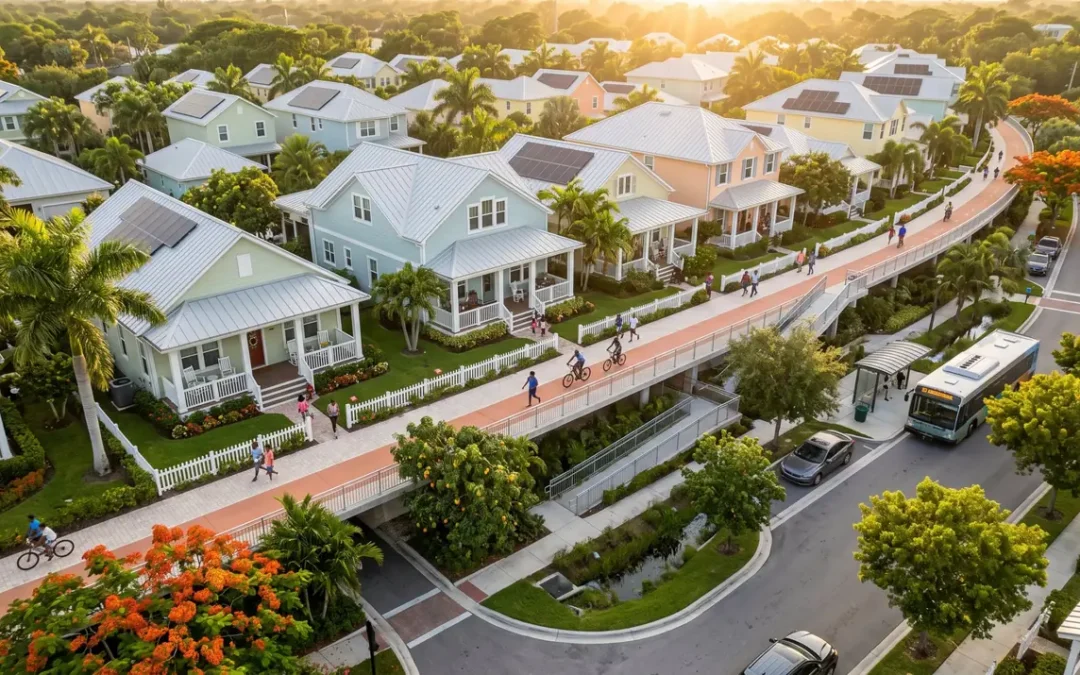
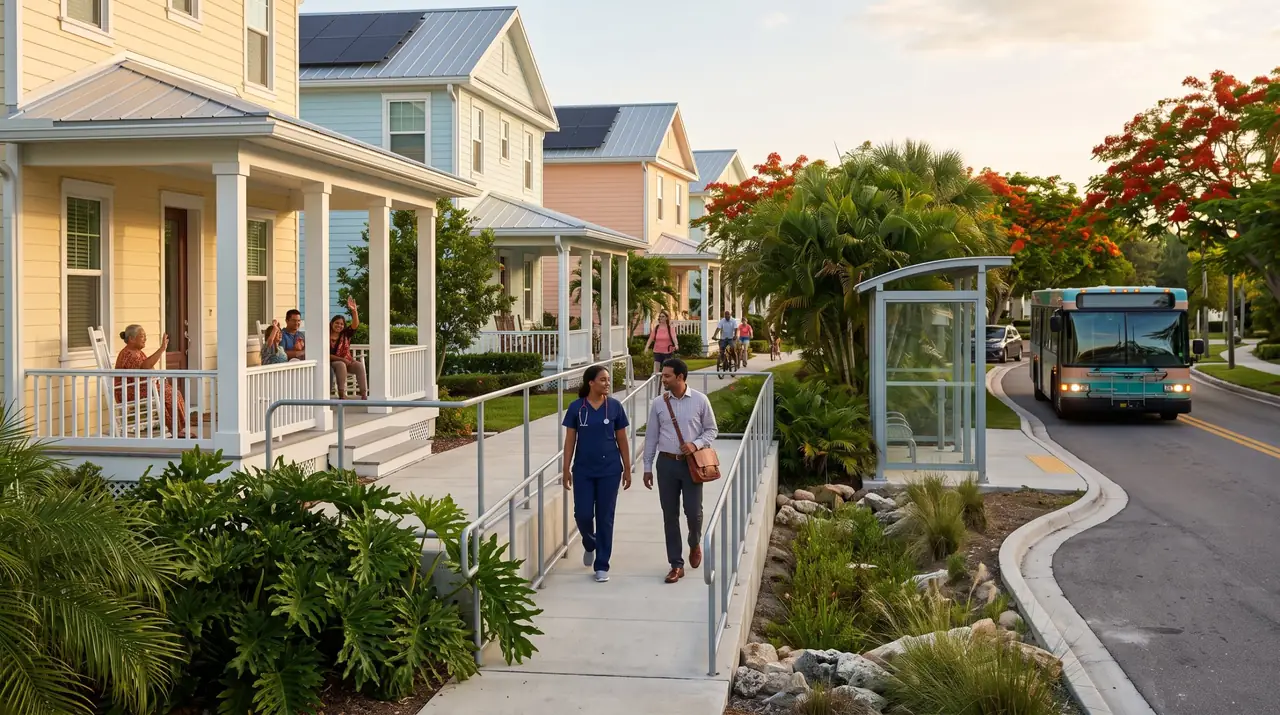
Illustrative render of the Donders City neighborhood.
The project takes its name and spirit from Peerke Donders, who gave his life in Suriname to people society had set aside. Today, the promoters say, those left out of housing are often the ones who keep the country running: teachers, nurses, police officers, firefighters, public employees, working families and Surinamese who want to return to their homeland. Donders City is meant for all of them.
What the city will include
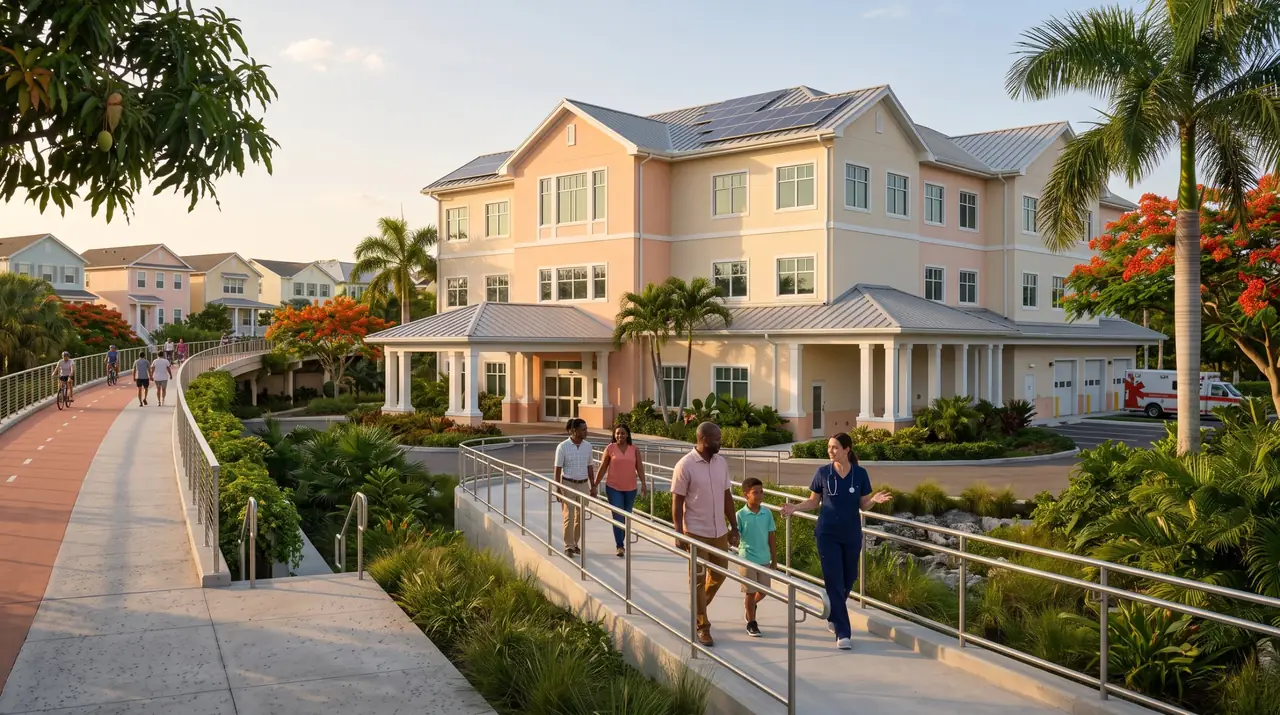
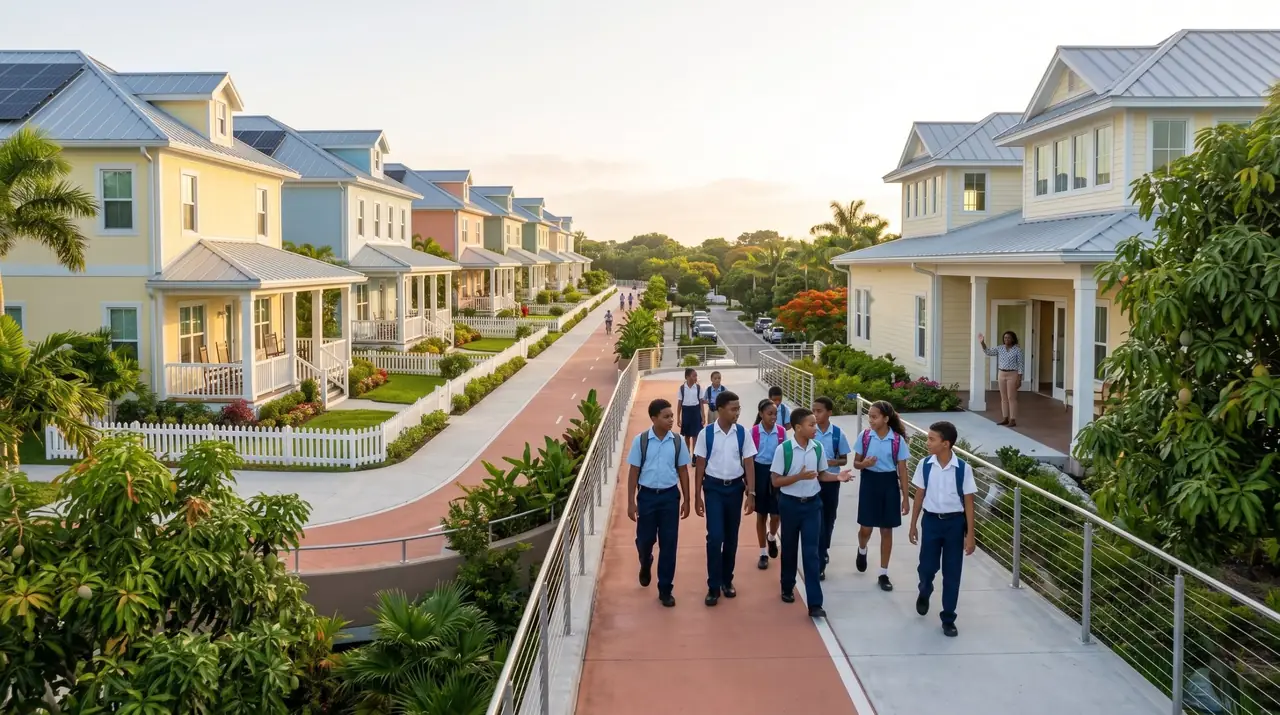
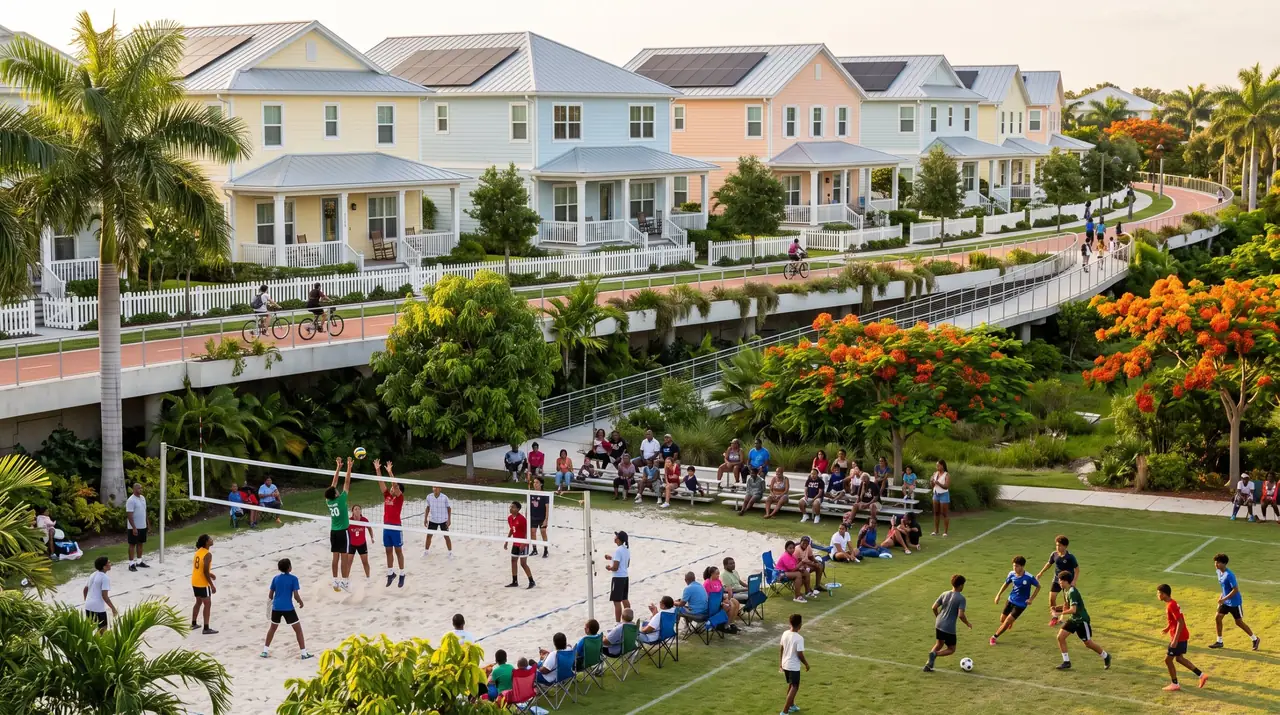
Illustrative render: the second-level hospital.Illustrative render: schools at every level.Illustrative render: sports complex and parks.
Homes with a porch and a front garden. Subsidized rent in stage 1, purchase with financing in stage 2.
Schools at every level, from early childhood to technical and higher education, run by other orders with a long humanitarian and educational tradition, under agreements to be signed later.
A second-level hospital with 24-hour emergency care, general medicine, pediatrics, obstetrics and gynecology, dentistry and telemedicine.
Sports complex and parks, so young people have somewhere to go and a future ahead.
Walkable streets, with sidewalks and bike lanes separated from cars, plus public transport.
A gated residential neighborhood for the safety of families, a commercial area open to everyone with shopping centers and business incubators, and flood protection built into the design.
How it works
Illustrative render: sidewalks and bike lanes separated from cars.
In stage 1, homes are offered for subsidized rent, adjusted to each family's income, to every kind of public employee and to the general public. In stage 2, residents can buy with financing: the installment depends on income, not on the cost of the home, and is subsidized. The terms will be agreed with the Government in an additional MOU. The criteria and the points system are still being defined together with the authorities and will be published on the project site.
The funding is non-repayable, with no debt or State guarantees: the cost to the State is none. Every payment goes straight to the supplier, only for work certified by an independent auditor.
Why register now
Extra points in the allocation of homes.
Be the first to know about every step, announcement and opening of each process.
Have a say in what families need: homes, services, hours, shops.
Make it count: every registration shows the city is needed.
Registering takes about a minute. It is not a reservation and does not guarantee a home; it earns extra points and keeps people on the list of those who will make the city real. The site also invites builders, technicians, professionals and Surinamese companies to register as suppliers.
The community it is looking for
Illustrative render: a community built on help, respect and solidarity.
Donders City aims to be a community built on help, respect and solidarity between neighbors: residents with civic spirit, responsible toward nature, careful with property and supportive of one another, where young people have a future and the elderly are looked after.
Who is behind it
The project is led by Ordo Supremus Pro Causis Humanitariis INC (Mandatum), a non-profit humanitarian organization that will manage the city permanently and reinvest any surplus in it. It has the help of UnASDG, an intergovernmental organization that provides the funding and oversees every payment. Locally, Stichting Mandatum Suriname will lead the project and seek ladies and gentlemen of honor to join the Order.
Where the project stands
Done: treaty between Suriname and UnASDG, signed on 12 September 2023.
Done: MOU with the Government of the Republic of Suriname, February 2026.
Done: Stichting Mandatum Suriname established in April 2026.
Pending: a bank opens the project account, which will manage the funds.
Pending: the Government sends UnASDG the letter with that account number.
Then: disbursement of the project funds begins.
There is no start or delivery date for homes yet, and the location is still to be designated. The images on the site are illustrative renders: the final city may differ, depending on the work of architects and engineers and on government approvals and permits.
This project has a detailed technical document covering the investment costs, the break-even point, maintenance and operating costs, financing, and ownership structure. The document is available to the members of the Order. Interested members may contact the Chancellery of the Order in their country to request the information.
 Barça
 Peñarol
 Inter Miami