 Barça
 Peñarol
 Inter Miami
Mandatum has drawn up a preliminary concept for a comprehensive rehabilitation, medical training and technology complex in the Republic of Peru. Called the City of Health and Knowledge, it would bring care, teaching and research together on a single 20,000 m² site.
A gap that affects millions
According to Peru's 2017 National Census, about 3.2 million people in the country live with some form of disability, around 10.3% of the population. The national statistics institute (INEI) reports that 88.6% of them receive no treatment or rehabilitation therapy. Specialized services are concentrated in Lima and a few regional capitals, so patients elsewhere often travel long distances for care. The country also lacks enough advanced training in physiotherapy, neuro-rehabilitation and clinical geriatrics.
What the complex would include
- Clinical care: four anchor specialties in the first phase, Rehabilitation and Physiotherapy, Traumatology, Neurology and Geriatrics, with room to add Cardiology, Oncology and Pediatrics later. The design assumes an initial capacity of 150 patients per day, growing beyond 300.
- A school of medicine: technical programs, postgraduate courses and continuing education, with simulation labs and a biomechanics laboratory.
- Housing for professionals: 50 furnished residences for specialists, visiting teachers and key staff.
- A business zone: space leased on preferential terms to small local entrepreneurs such as cafés, pharmacies and orthopedic shops.
- Technology and communications: an electronic health record, artificial intelligence tools for scheduling and diagnostic support, and an in-house television channel for medical education.
- Sustainability: solar panels, rainwater reuse, LED lighting and bioclimatic architecture.
Open to everyone
The plan builds in access for people with fewer resources: free care for vulnerable neighbors, scholarships for medical students from low-income families, agreements with Peru's public health insurers (SIS and EsSalud) and fees scaled to the patient's ability to pay. The complex is also designed for full accessibility.
Built around the four pillars
The project brings Mandatum's four humanitarian pillars together in one place: health in the clinic, education in the school, housing in the staff residences and ecology in the building design. It also aligns with seven of the United Nations Sustainable Development Goals and would create about 300 skilled jobs.
Next steps
This is an early concept, not a final plan. The next stages are to refine the scope with the medical leadership, present the project to the Government of Peru and agree the framework for its development. We will report on progress here.
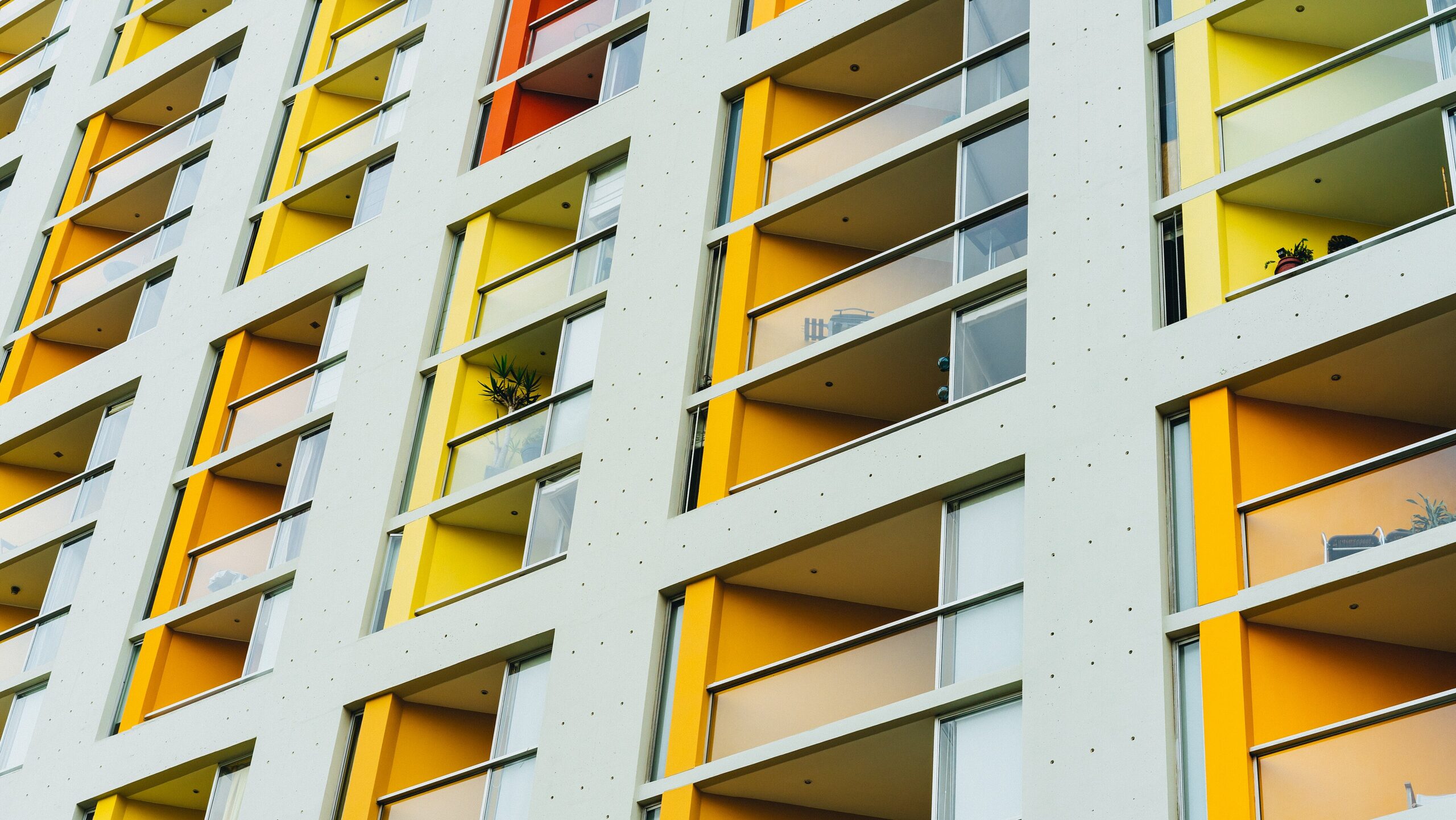
Photo: Miraflores, Lima, Peru (Unsplash, CC0 public domain).
This project has a detailed technical document covering the investment costs, the break-even point, maintenance and operating costs, financing, and ownership structure. The document is available to the members of the Order. Interested members may contact the Chancellery of the Order in their country to request the information.