
 Barça
 Peñarol
 Inter Miami
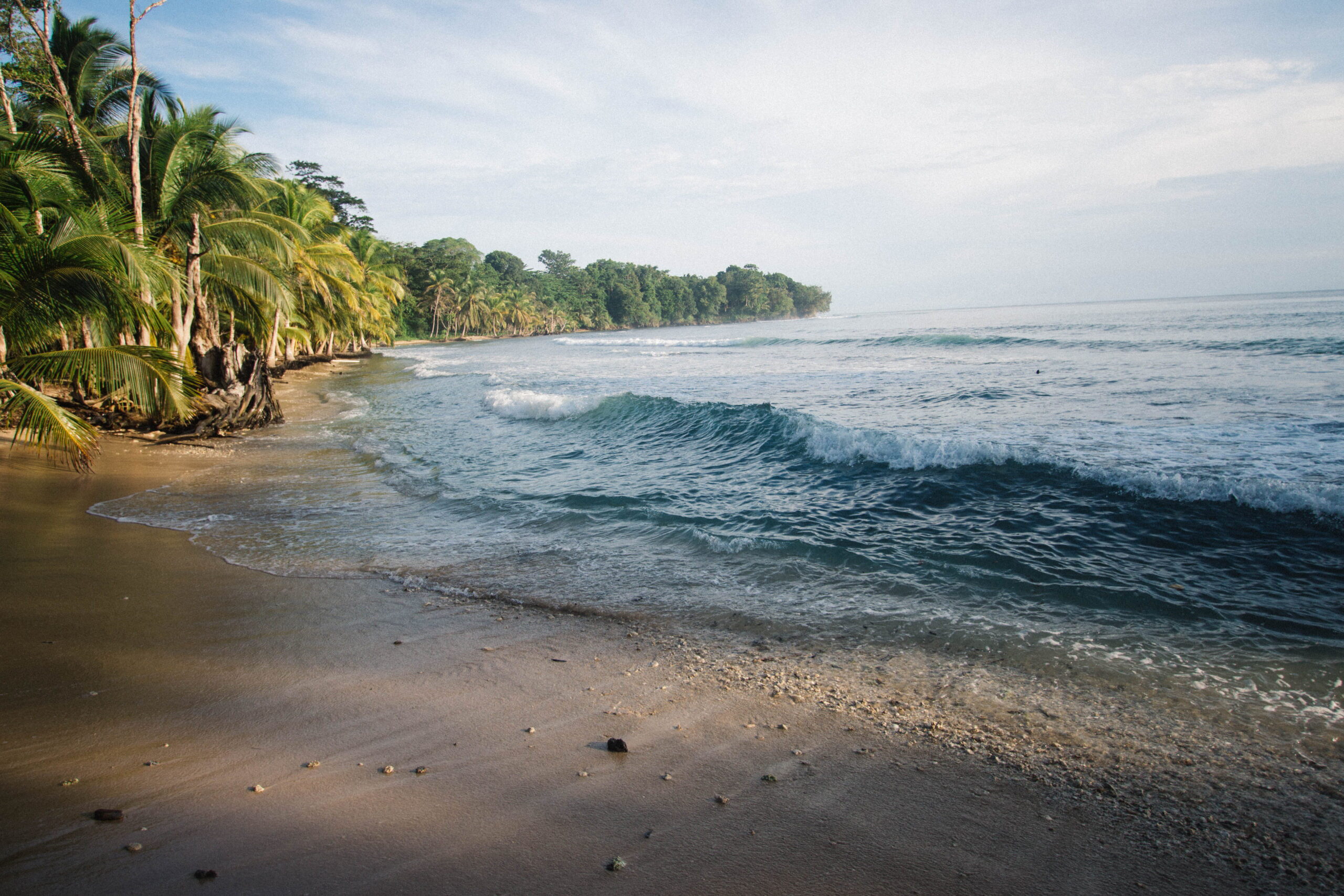
More than three quarters of the district of Bocas del Toro, on Panama's Caribbean coast, is protected land. It includes the Isla Bastimentos Marine National Park, mangroves, reefs and rainforest. Roughly 100,000 visitors come every year, yet around half of the homes in the island and rural communities still lack a stable connection to the electric grid, which pushes families to cut mangrove for firewood.
Mandatum is studying an idea for this territory, and it begins with a condition: nothing moves forward without consensus. Any project would need the agreement of the national government, the local government and the Indigenous peoples of the area, with prior, free and informed consent before any work begins. If that agreement is not reached, Mandatum withdraws.
The concept is a low-impact ecological complex, built only on the portion of the district that is not protected. Buildings would stay at three floors or fewer, use local and low-carbon materials, and run entirely on renewable energy, with full management of water and waste and independent environmental certification.
The model places local people first. Priority would go to hiring from the community. Restaurants, shops, tours and transport would be run by local micro-entrepreneurs, trained and incubated through the project itself. Housing for local workers and families, clean energy, drinking water and sanitation would serve visitors and residents alike, and help close the electrification gap that drives mangrove cutting.
The aim is a replicable example of development that is ecologically and economically sustainable, supporting the population of the territory instead of displacing it. As an early-stage concept it can be adapted, or changed entirely, as many times as needed to reach a version that the people of Bocas del Toro actually want.
Photo: Bocas del Toro, Panama. Unsplash, CC0 (public domain), via Wikimedia Commons.
This project has a detailed technical document covering the investment costs, the break-even point, maintenance and operating costs, financing, and ownership structure. The document is available to the members of the Order. Interested members may contact the Chancellery of the Order in their country to request the information.